Flickreel’s Best Movies of 2025
Post a Comment


 0
0
2025 in a nutshell… are we seriously more than halfway through another decade? Speaking of decades, the first Top 10 list I ever worked on for this site was for the best films of 2015. Fast-forward to 2025, I’m still doing this, and these ten movies make me grateful for that.

10. Arco: While Arco is a charming story of friendship and young love, it’s also about neglect. Not just how parents neglect their children, but how humanity neglects the planet they’ve been gifted. It sounds heavy-handed, but Arco is subtle in its messages. Between its young leads, robots, and environmental themes, Arco is reminiscent of Hayao Miyazaki’s Castle in the Sky and other Ghibli films. Director Ugo Bienvenu has a style that’s all his own, however.

9. The Life of Chuck: From Gerald’s Game to Doctor Sleep, few modern filmmakers have a better grasp on Stephen King than Mike Flanagan. Even with an original story like Midnight Mass, you can see the influence that Flanagan drew from King. The Life of Chuck, based on King’s 2020 novella, is being promoted as Flanagan’s first non-horror film. That’s not entirely accurate, as The Life of Chuck is a ghost story. It’s also a coming-of-age story, a family drama, a Gene Kelly-esque musical, a disaster flick, and even a math lesson. Above all else, it’s a movie of multitudes. I’d say it’s not like any film Flanagan has made before, but The Life of Chuck isn’t quite like any film I’ve seen.

8. Marty Supreme: Many will go into Marty Supreme assuming it’s about ping pong. To an extent, it is, but director Josh Safdie’s film is more about ego, obsession, and the determination to be the best… even if you aren’t. Timothée Chalamet will undoubtedly receive a Best Actor nomination as a hotshot who might not be as hot as he thinks he is. There’s no doubt that Marty has talent with a paddle, but so do the players on the other side of the table. Nobody can trash-talk like Marty, however. Marty gloats to the press and his peers about how he’s going to the top, when in reality, he’s spiraling. Marty’s life is essentially a ping pong match as he bounces between the pursuit of greatness and the responsibilities he’s been running from.

7. Train Dreams: Train Dreams is a dream come true, alright. Writer/director Clint Bentley has crafted a hypnotic, at times spellbinding experience, one that washes over the audience like a dream that ends too quickly. It may not always be a sweet dream for our protagonist. For all of the heartache that the central character endures, Train Dreamsalso captures the moments of sheer joy that make it all worthwhile. These moments might be fleeting, although when life flashes before our eyes at the end of this voyage, they’re what stick with us.

6. It Was Just an Accident: Sometimes, the most ringing endorsement you can give a film is to just say, “Go in completely blind.” This is especially fitting in the case of Jafar Panahi’s film, where one character is blindfolded through. The audience’s sympathies constantly shift between a captive man and his captor. Make that captor(s), as more people are roped into an increasingly complicated crisis that’s either a vindicated act of vengeance or a huge misunderstanding that can’t be easily undone. Either way, it builds to one most intense final acts of any movie this year.

5. KPop Demon Hunters: If there’s one film from 2025 that can be described as a cultural phenomenon, it’s KPop Demon Hunters. Few could’ve predicted that Maggie Kang and Chris Appelhans’ film would become the global hit it is. If they did, Sony wouldn’t have gift-wrapped it to Netflix. KPop Demon Hunters is loaded with franchise potential, complete with records, toys, and live shows, not to mention adoring fans. Awards, too? If you told me a year ago that the Academy would nominate a film called KPop Demon Hunters, it might’ve given me pause. Now, nominations for Best Animated Feature and Song are forgone conclusions.
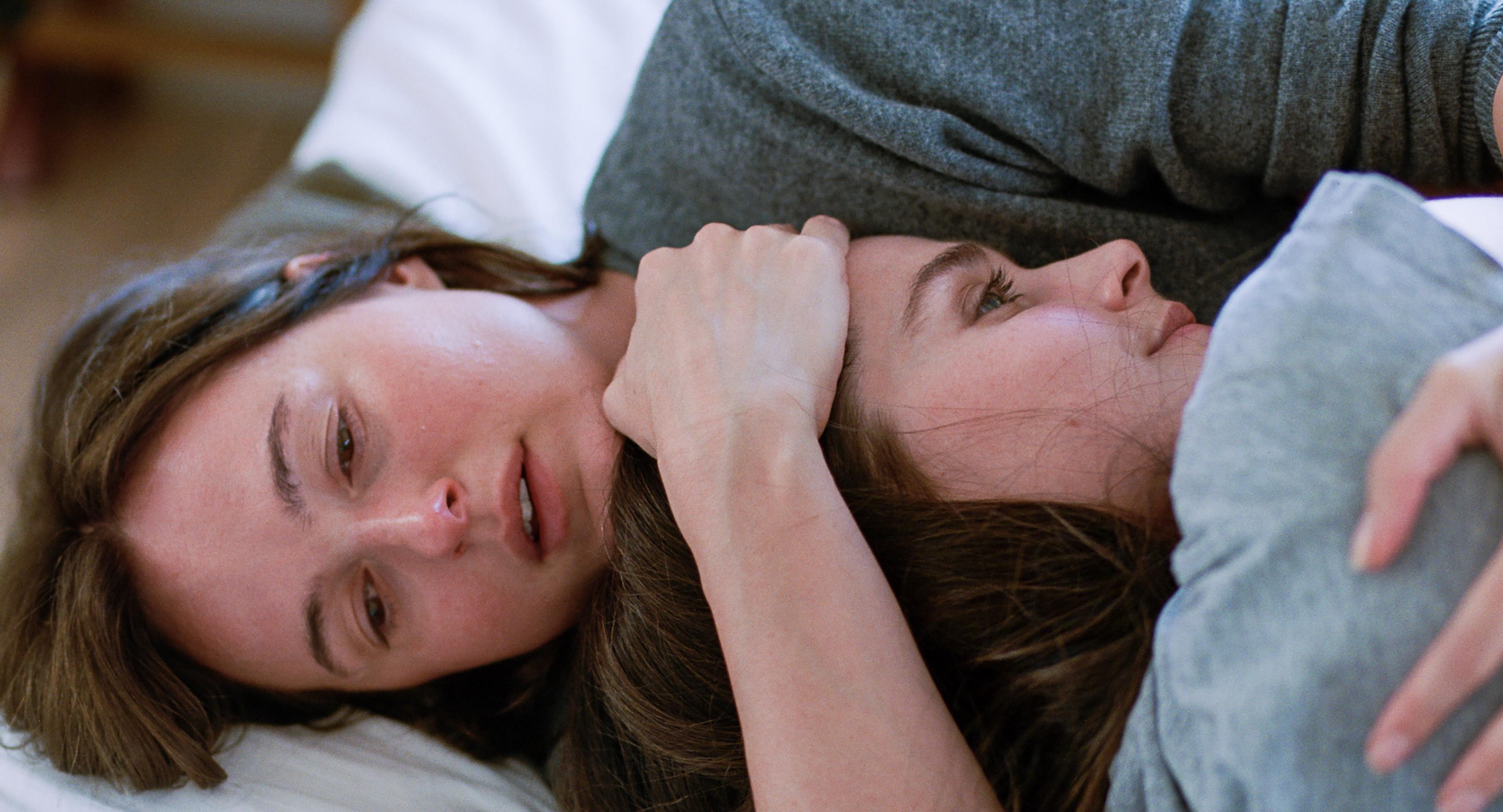
4. Sentimental Value: The characters in Sentimental Value are fictional. The writing is so honest and the casting is so spot-on, though, that it feels like we’re watching an autobiographical film. In a way, we are. Stellan Skarsgård plays Gustav Borg, a revered director who hasn’t made a film in fifteen years. Gustav still feels he has another film in him, but he only has one leading lady in mind: his daughter Nora, played by Renate Reinsve. Even if Gustav gets his movie made, he can’t go back to the good old days when he first fell in love with cinema. He can’t undo the mistakes that have haunted his family for generations, either. He can try to find a way to move forward, however. In the end, Sentimental Value isn’t about a fading filmmaker trying to restore his relevance. It’s about a man attempting to connect with his daughters the only way he knows how: through his art.

3. Sinners: Many have compared Sinners to From Dusk till Dawn. Where that film had Robert Rodriguez’s signature, Ryan Coogler plays his own tune in Sinners. I say that in more ways than one. People who go into Sinners blind might be surprised to learn that it’s a horror picture. Those expecting a more traditional horror movie will be surprised that Sinners is just as much a musical. Not the kind where characters sporadically break out into show tunes. When music plays such an essential role in a film’s plot, atmosphere, and themes, though, it might as well be a musical. However you’d categorize it, I’m dancing to Coogler’s beat.
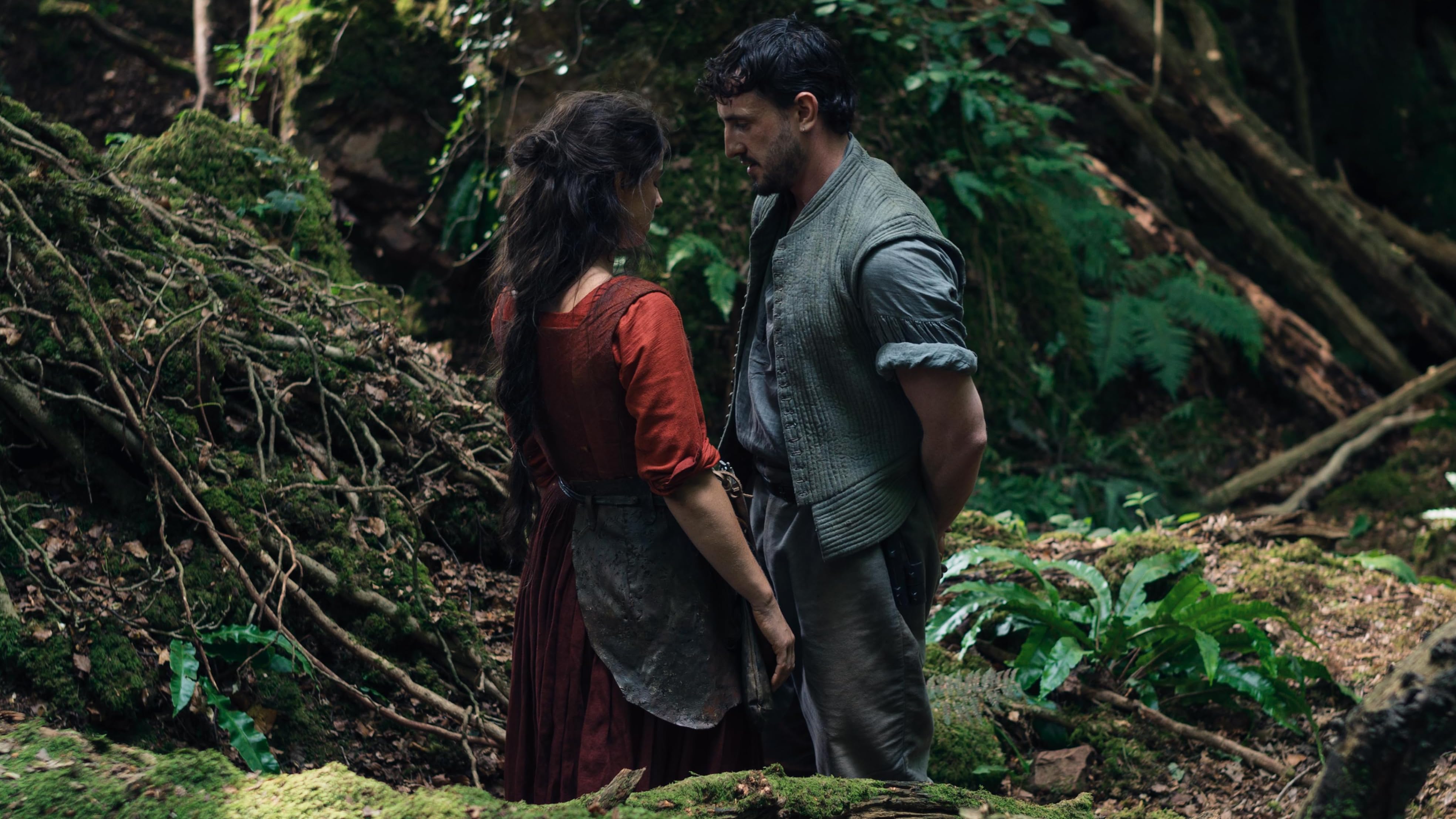
2. Hamnet: Hamnet understands that for a story to be truly tragic, it must first show us the beauty of life. Chloé Zhao’s gut-wrenching film, which she adapted with novelist Maggie O’Farrell, makes us fall in love with the people at the center. We then grieve for these people, as if we know them. In a way, we do, as the family patriarch is none other than William Shakespeare (Paul Mescal). The real central figure is Agnes Shakespeare, played by Jessie Buckley in a performance that just might win her the Best Actress Oscar. Both endure loss, although each copes with grief in different way. For Agnes, it’s private. For Will, it’s a shared experience. Theater, and by extension film, is a communal experience. You may not share the artist’s grief going in, but if the storyteller does their job well, you’ll be reaching out to comfort them by the final curtain. For people who live in their art, it may be their only way to connect.

1. One Battle After Another: Paul Thomas Anderson has given us one masterstroke after another. He’s possibly topped himself with One Battle After Another, a wickedly funny, insanely thrilling ride that, at two hours and forty minutes, never has a dull moment. In some respects, this might be Anderson’s most personal film, as if he’s communicating with his children through it. As chaotic as One Battle After Another gets, at its core is a touching story about a father and daughter trying to find their way back to each other. One can only imagine how much Anderson drew from his personal life. If Leonardo DiCaprio’s Bob is supposed to be his surrogate, though, it’s clear what he’s telling his children: I’ll fight for you, and you fight for a better tomorrow.
Honorable Mentions (In Alphabetical Order):
Avatar: Fire and Ash
Bugonia
Eternity
Frankenstein
If I Had Legs I’d Kick You
Is This Thing On?
Jay Kelly
Little Amélie or the Character of Rain
The Long Walk
The Perfect Neighbor
Predator: Badlands
Sirāt
Sorry, Baby
Summer of 69
Superman
Wake Up Dead Man
Warfare
Weapons
Wicked: For Good
Zootopia 2
0